
Swing Trading vs Day Trading for Beginners: Real Costs, Real Returns
Day trading needs $25K and 6-8 hours daily. Swing trading needs less capital but carries overnight risk. Here's what each actually costs in time, taxes, and stress.
The anti-guru finance site
45 articles
Investing is simpler — and more boring — than the hype machine wants you to believe. The Investing collection explains the fundamentals that actually build wealth over time: index funds, compounding, diversification, fees, and the behavior that quietly determines most people's returns.
True to the anti-guru spirit, you will find no stock picks, no next-big-thing, and no promises of returns here. We explain how things work in plain language and let you make your own decisions, always noting that this is education, not personalized financial advice.
Start with the guides below to invest with a clear head and realistic expectations.
Day trading needs $25K and 6-8 hours daily. Swing trading needs less capital but carries overnight risk. Here's what each actually costs in time, taxes, and stress.
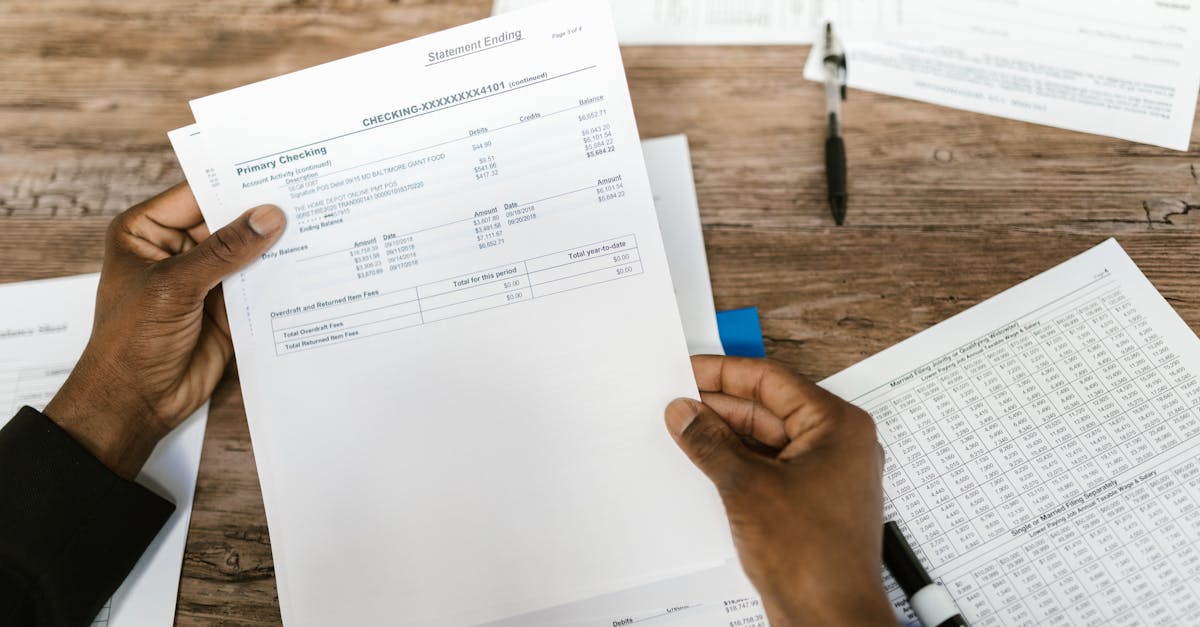
Passive income exists, but requires either massive capital or hundreds of hours upfront. Real yields from dividends, rentals, and digital products—with the math.

Learn how to diversify a crypto portfolio with concrete allocation frameworks, real volatility data, and beginner-friendly strategies for balancing risk.

Cryptocurrency for complete beginners explained: blockchain basics, real volatility numbers, tax traps, buying safely, and the fraud risks no one mentions upfront.

Passive income exists, but not how it's marketed. Real data on time investment, capital requirements, tax liability, and why most attempts fail.

Net worth is assets minus liabilities—but what counts as an asset? Here's how to calculate it correctly, with real decision boundaries for edge cases.

A 401k match is employer money added to your retirement account—but only if you contribute enough and stay long enough. Here's how it actually works.
Crypto staking can earn 2-15% APY, but carries lock-up periods, slashing penalties, and immediate tax liability. Here's how it actually works.

Stocks vs bonds explained for beginners—real return data, tax math, and a decision framework based on your timeline and risk tolerance, not age-based rules.

P2P lending platforms carry real default risk, liquidity constraints, and platform-level risk. Here's what the data shows about safety and returns.

Most passive income takes months of upfront work or thousands in capital. Here's what dividend investing, rental property, and digital products actually pay.

Compare fees across Coinbase, Kraken, Gemini, and Binance US with real-dollar examples for $500 and $10k+ monthly traders — showing how deposit method drives more cost

Learn how to start peer-to-peer lending with realistic return expectations, diversification requirements, and platform comparisons. Risk-aware guide for beginners.

Peer to peer lending risks and returns analyzed: historical data shows 4-8% returns with 5-10% default rates. Platform comparison, tax friction, and recession risk

Financial advisor costs range from $87/year for robo-advisors to $7,500+ for human advisors. Here's what you actually pay at different portfolio sizes.

Honest ranking of passive income methods by real effort and earnings. Includes actual ranges, upfront costs, and tax implications most lists ignore.

Vanguard, Fidelity, and Schwab all offer cheap index funds. Here's what they cost over 10 years—including the fees most comparisons ignore.

Learn portfolio construction basics: asset allocation models, real historical returns, and how to choose stocks-vs-bonds ratios based on your timeline and risk tolerance.

Learn how to value cryptocurrency without hype using fundamentals analysis. Covers team, tech, adoption, tokenomics, and on-chain metrics—no price predictions.

Employee stock options can be worth thousands or nothing. Here's how vesting works, how to value your options, and when to exercise—with real tax numbers.

All three brokers offer $0 stock trades, but Vanguard's $1,000 mutual fund minimums create real friction for small accounts. Here's the actual cost breakdown.

Dividend stocks pay you quarterly, but $10,000 invested generates about $25/month after taxes. Here's how dividend payments work and what beginners need to know.

Learn how to select dividend-paying stocks using payout ratios, understand tax implications, and avoid yield traps that destroy returns.

Credit card churning can earn $3k-$6k/year—but costs 30-50 credit points and 10+ hours monthly. Real ROI comparison vs passive rewards strategy.

Yes, but wash-sale rules, 401(k) plan restrictions, and loss limits can catch active traders off guard. Here's what works and what doesn't.

Roth or Traditional IRA? This honest comparison breaks down taxes, income limits, and real scenarios so you can choose the right one for your situation.

Expense ratios are annual fees index funds charge. We break down what they cost you in real dollars, when they matter, and how to find them.

Crypto vs stocks for beginners: compare volatility, returns, regulation, and taxes. Honest breakdown with real numbers, no hype, and zero investment advice.

Compare Acorns, Stash, SoFi Invest, and Robinhood: fees, features, and honest trade-offs to help you find the micro-investing app that fits your budget.

Real estate investment returns average 3.6–4% net annually from rental income plus appreciation, but expenses eat 30–40% of rent. Here's what investors actually earn.

Learn how to honestly assess your investment risk tolerance through stress tests, questionnaires, and real portfolio examples before you invest.

Compare advisor fees, DIY investing costs, and real returns by account size. See the break-even math before you decide — no hype, just the trade-offs.
Peer-to-peer lending explained: how P2P lending works, real returns after losses, platform comparisons, and the risks most investors overlook.

Learn how to invest your tax refund with real scenarios, account comparisons, and honest risk assessments. No hype, just the math that matters.

ETFs are exchange-traded index funds with lower fees and better tax efficiency than mutual funds. Here's how they work and whether they fit your strategy.

Trading psychology shapes every market decision. Learn how emotional trading patterns develop and practical strategies to build discipline as a beginner.

Dividend investing for beginners: how dividend stocks work, realistic returns you can expect, what yields mean, tax implications, and risks to watch for.

Market hours are 9:30 AM-4:00 PM ET, but the 'best' time depends on your strategy, account size, and risk tolerance—not time-of-day promises.

The best investing books for beginners teach concepts, not promises. Here are 7 books that clarify what you need to know before investing your first dollar.

Real compound interest examples with current rates, taxes, and inflation. See what $1,000 actually grows to in 10, 20, and 30 years—and what eats your gains.

Real estate with little money means REITs, house hacking, or crowdfunding—not magic. Here's what $1k to $25k actually gets you, with real returns and risk.

How to start day trading with $500: yes, you can open an account, but the Pattern Day Trader rule and FINRA data on retail trader losses change the math entirely.

Honest comparison of Betterment, Wealthfront, and other robo-advisors for new investors. Real fees, minimum investments, and when automated investing makes sense.

Learn how to start investing with just $100. Step-by-step guide covering account setup, investment options, risks, and realistic returns for beginners.

Index funds explained simply: what an index fund is, how it works, costs vs. active funds, real risks, and what beginners need to know before investing.